

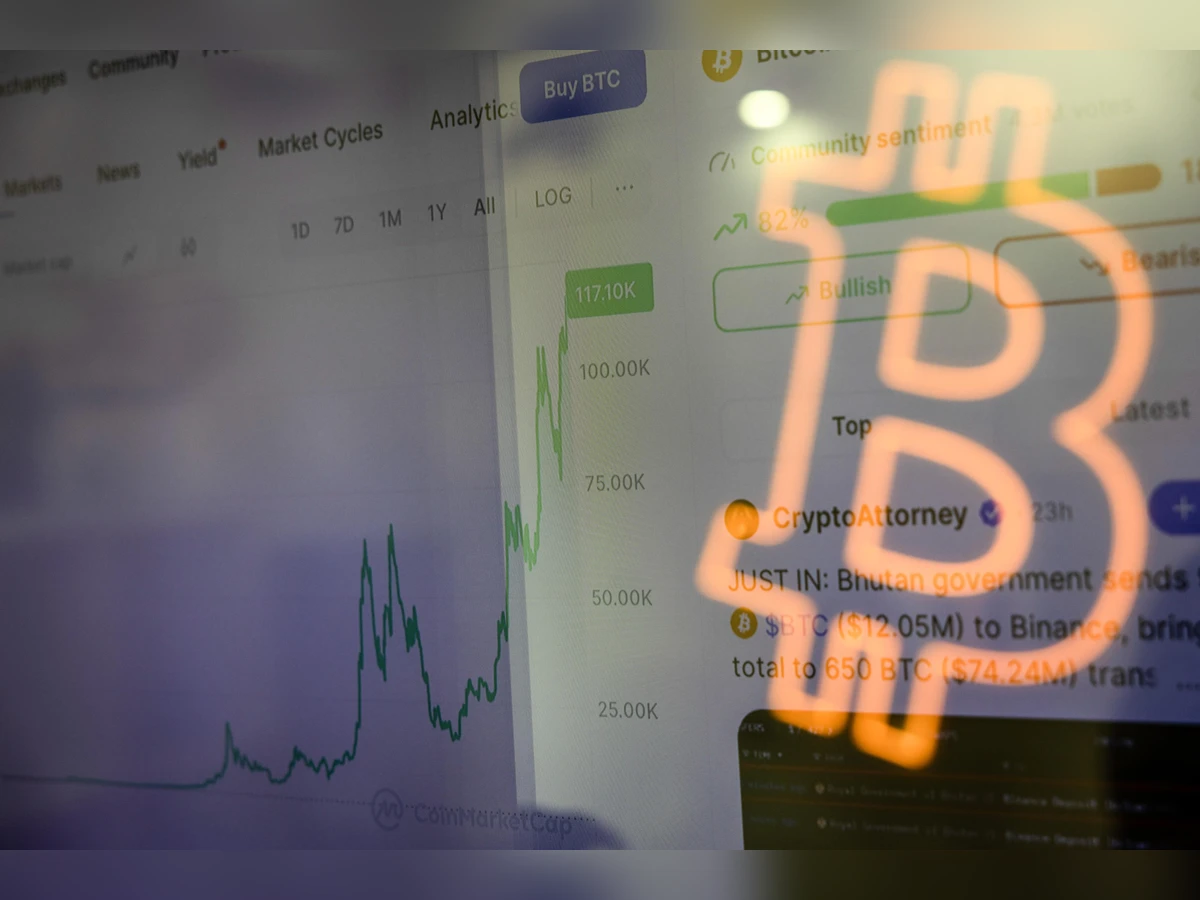
India’s digital economy is rapidly evolving, with increasing interest in digital assets among retail investors, tech communities, and financial institutions. While cryptocurrency remains outside formal legal tender status, its growing adoption and integration into the financial ecosystem reflect broader trends in technology acceptance and investment diversification.
This article examines the key cryptocurrency market trends in India, adoption drivers, regulatory influences, and the growth outlook going forward.
Rising Adoption Among Retail Investors
In recent years, Indian investors have shown heightened interest in digital assets. A combination of increased internet penetration, mobile finance apps, and awareness campaigns has encouraged participation across age groups.
Growing adoption is driven by:
- Simplified onboarding processes
- Greater exchange accessibility
- Educational content on digital assets
- Peer-to-peer discussions and online communities
As a result, best crypto investment is no longer limited to tech enthusiasts but has expanded to mainstream retail audiences.
Role of Technology in Market Growth
Cryptocurrency relies on blockchain technology – a decentralized ledger that ensures transparency and security. Advancements in blockchain scalability and supporting infrastructure have made participation more efficient and cost-effective.
Enhanced mobile apps, streamlined KYC procedures, and improved network stability have supported wider usage.
Institutional Interest and Integration
Institutional participation signals maturation of digital asset markets. Indian financial entities, family offices, and corporate investors are increasingly evaluating cryptocurrency as part of diversified portfolios.
Institutional interest tends to increase liquidity, improve market depth, and foster structured investment approaches.
Regulatory Landscape’s Influence
Regulatory clarity significantly impacts market trends. While cryptocurrency is not legal tender in India, trading and investment are permitted under taxation and compliance frameworks.
Government focus on taxation, anti-money laundering compliance, and financial reporting has encouraged:
- Increased transparency
- Better record-keeping
- Platform accountability
Prospective regulatory frameworks could further shape investor confidence and capital inflows.
Education and Awareness Initiatives
Knowledge dissemination through webinars, online courses, blogs, and educational platforms has enhanced understanding of digital assets among Indian users. With increased information access, more investors feel comfortable exploring cryptocurrency.
Awareness programs also promote responsible participation and risk management.
Impact of Social and Community Networks
Social platforms, forums, and community groups have played a significant role in trend acceleration. Influencers and subject matter experts share insights, analysis, and investment perspectives that shape market sentiment.
However, investors must balance social insights with independent research to avoid impulse-driven decisions.
Mobile and Fintech Adoption
India’s strong fintech ecosystem and widespread smartphone use have facilitated entry into digital asset markets. Seamless integration of mobile wallets, UPI payments, and user-friendly exchange apps have reduced barriers to entry.
This trend supports broader participation across demographics and geographical regions.
Market Volatility and Trading Behavior
Cryptocurrency markets are known for volatility – rapid price fluctuations influenced by global sentiment, macroeconomic events, and regulatory announcements. Indian investors often respond to price movements with diversified trading strategies and long-term investment horizons.
Education around volatility helps participants make disciplined decisions rather than reacting emotionally to short-term price swings.
Stablecoins and Payments Integration
Stablecoins – digital assets pegged to stable assets – have gained attention for transactional stability. Their integration supports remittances, cross-border payments, and liquidity management within decentralized finance platforms.
Stablecoins help bridge digital currency functionality with familiar fiat currency behaviors.
DeFi and Financial Inclusion
Decentralized finance (DeFi) platforms contribute to broader financial inclusion by offering services such as lending, borrowing, and yield generation without requiring traditional bank accounts. Indian users are increasingly exploring DeFi applications supported by cryptocurrency, creating alternative finance access points.
Growth of Developer Ecosystem
India’s developer community actively contributes to blockchain innovation. Local hackathons, developer toolkits, and open-source projects foster regional innovation and technological development.
As developers build new applications, the ecosystem benefits from enhanced infrastructure and expanded use cases.
Security and Risk Awareness
Security remains a key trend influencing adoption. Investors are more conscious of wallet security, phishing risks, and exchange credibility. Ongoing education emphasizes best practices such as multi-factor authentication, cold storage usage, and private key management.
Future Growth Outlook
The future of cryptocurrency in India hinges on several factors:
- Regulatory evolution and clarity
- Institutional adoption
- Technological advancement
- Education and risk transparency
- Infrastructure improvements
These trends suggest that digital assets will continue shaping financial behavior and investment strategy as the market matures.
Conclusion
Best crypto exchange in India reflect growing adoption, technological integration, and evolving investor behavior. Increased interest among retail and institutional participants highlights a path toward broader acceptance, even as regulatory frameworks develop.
Understanding current trends and future growth prospects enables investors to participate responsibly and make informed decisions within a dynamic digital asset landscape.
Frequently Asked Questions (FAQs)
1. Is cryptocurrency becoming more popular in India?
Yes, adoption has grown across retail and institutional investors.
2. Does technology influence crypto adoption?
Yes, advancements in blockchain and mobile finance platforms support broader participation.
3. What role do regulations play?
Regulatory clarity improves transparency and investor confidence.
4. Are stablecoins popular in India?
They are gaining attention due to stability and transactional use cases.
5. What should new investors know about trends?
Focus on education, diversification, and risk management before participating.
